Outdoor Marketing: What To Do and What To Avoid
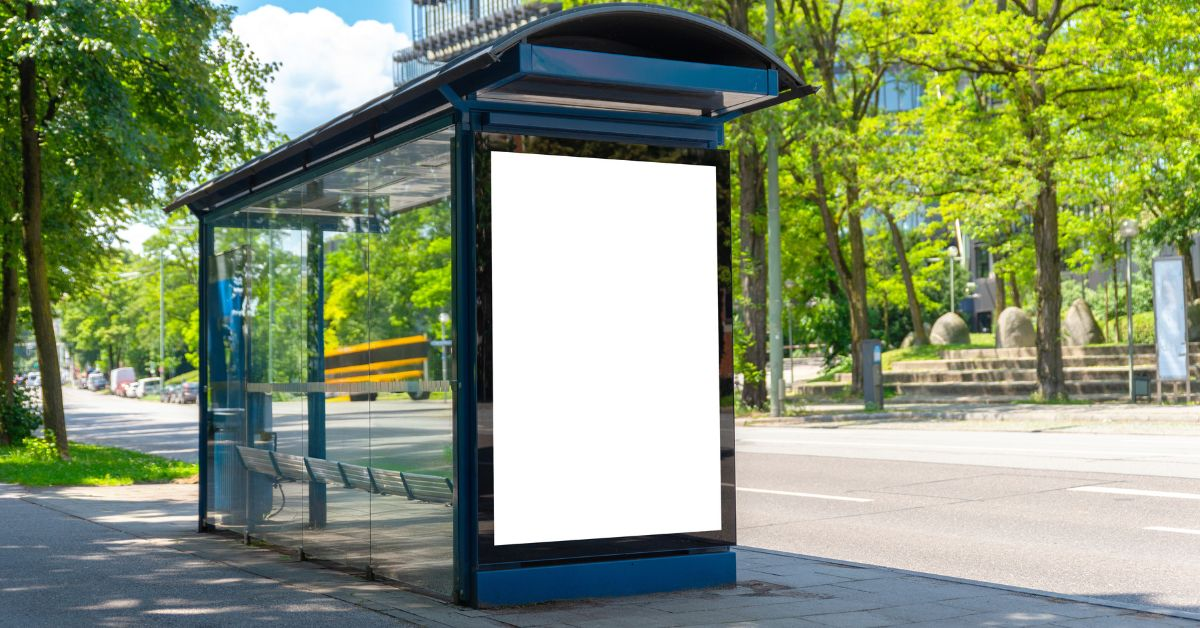
Outdoor marketing remains a powerful way to connect with your audience in the real world. From towering billboards to local bus stop ads, these campaigns grab attention and build brand awareness. You need a strategy that considers location, design, and your target audience to make your investment truly count. Let’s explore what to do and what to avoid with your outdoor marketing campaign.
Do: Keep Your Message Simple
When your audience is on the move, you have only a few seconds to make an impression. A cluttered design or a complicated message will get lost. Focus on a single, clear idea. Use a short, powerful headline and striking visuals to communicate your core message instantly. A great outdoor ad is one that people can understand and remember at a glance.
Don’t: Neglect Your Location
The location of your ad is just as important as its content. Placing an ad in a high-traffic area is a good start, but you must also consider if the audience in that area matches your target demographic. Analyze the local environment, traffic patterns, and the mindset of people who frequent that space. A well-placed ad feels relevant and natural, not disruptive. Many people hold misconceptions about outdoor banner advertising, thinking it’s only for major highways. In reality, strategic placement in smaller, targeted neighborhoods can deliver an even better return on investment.
Do: Make Your Design Bold and Clear
Your design must be visible from a distance. To achieve this, follow these key principles:
- Use bold, easy-to-read fonts.
- Choose high-contrast colors that stand out.
- Incorporate a simple, compelling image.
- Include your brand logo clearly.
A visually clean and impactful design ensures your message cuts through the noise. Using the best marketing tools for graphic design can help you create professional and effective visuals, even if you are not a designer.
Don’t: Forget a Call To Action
What do you want people to do after seeing your ad? Your call to action (CTA) should be simple and direct. It could be visiting your website, following you on social media, or using a special discount code.
A QR code is also an effective way to bridge the gap between your physical ad and your digital presence, making it easy for interested viewers to take the next step. Without a clear CTA, you miss a valuable opportunity to convert interest into action.
Knowing what to do and what to avoid with an outdoor marketing campaign requires careful planning and a clear understanding of your goals. By keeping your message simple, choosing your location wisely, creating a bold design, and including a strong call to action, you can capture attention and drive results. Avoid the common pitfalls of over-complicating your ad or overlooking your audience, and your campaign will be well-positioned for success.