How Smart Hiring Platforms Are Transforming Recruitment Processes
Key Takeaways
- AI-driven recruitment tools are streamlining hiring by automating tasks like resume screening and candidate matching.
- These platforms enhance efficiency, reduce bias, and improve the overall candidate experience.
- Employers must remain vigilant against potential misuse of AI by candidates, such as identity fraud.
The Rise of AI in Recruitment
The demand for faster, more accurate, and fairer hiring has driven the recruitment industry to embrace artificial intelligence (AI). Traditional hiring relied heavily on time-consuming manual resume reviews and subjective decision-making, leading to inefficiencies and unconscious bias. In contrast, smart hiring platforms equipped with AI tools for recruiting are fundamentally changing how organizations approach candidate sourcing, evaluation, and engagement.
With AI-powered recruitment solutions, recruiters can automate time-intensive processes and focus on high-value tasks like strategy and relationship-building. These innovative platforms use advanced algorithms to parse resumes, assess qualifications, and automatically match job requirements to candidate skill sets. This not only transforms hiring workflows but also improves the accuracy and objectivity of candidate selection.
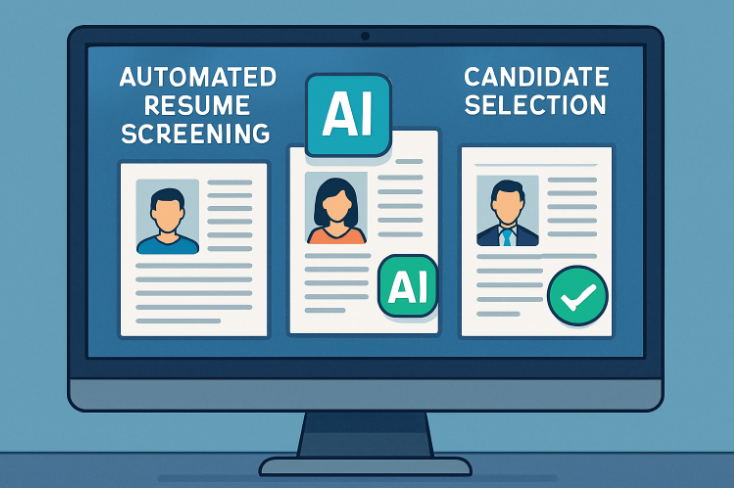
AI in recruitment enhances efficiency and reduces human bias, promoting inclusive hiring. By utilizing data-driven assessments focused on skills and experience, organizations improve hiring processes and standards. AI tools, particularly automated resume screening, streamline candidate selection by analyzing resumes rapidly and consistently, minimizing unconscious biases and broadening the talent pool. This technological advancement not only saves time but also facilitates access to a diverse array of candidates, leading to better hiring outcomes.
Enhanced Candidate Matching
Beyond the resume, AI-driven hiring platforms significantly enhance candidate matching. Rather than relying solely on explicit qualifications or rigid keyword searches, these systems use advanced machine learning to evaluate a wide range of factors, including career progression, demonstrated and inferred skill sets, transferable capabilities, and alignment with organizational culture. By analyzing both stated credentials and patterns drawn from prior roles and experiences, AI creates a more complete and nuanced view of each candidate.
This holistic, data-driven approach leads to stronger matches between talent and open roles, contributing to longer employee tenure and reduced turnover. AI also plays an expanding role in the screening process by assessing work history, professional online presence, and personal branding signals, offering deeper insight into a candidate’s potential and overall fit for a position.
Improving Candidate Experience
A positive candidate experience has become crucial for employer branding and talent acquisition success. AI-powered virtual assistants and chatbots provide real-time answers to applicant queries, guide users through the application process, and keep them informed about their recruitment status. These tools reduce frustration, eliminate communication delays, and create a seamless interview experience. Organizations deploying AI-driven support consistently report higher engagement and more favorable impressions among applicants.
Moreover, AI tools are helping talent acquisition teams personalize interactions with candidates, ensuring each applicant receives timely updates and tailored guidance along each step of the recruiting journey. This increased touchpoint frequency not only raises acceptance rates but also cements a more positive overall perception of the organization.
Addressing Potential Challenges
While AI in recruitment brings speed and intelligence, it also introduces new risks. An increase in AI-savvy candidates means some may attempt to game the system with advanced tactics such as identity fraud, enhanced resume bots, or automated interview-prep tools. Recent research highlighted in TechRadar shows that nearly two-thirds of employers believe job seekers using AI pose a significant challenge to verification efforts.
The risk of fraudulent identities entering the workforce is a real concern, and few organizations feel fully prepared to meet this threat. Without robust safeguards, companies face issues that go far beyond bad hires; they risk damaging their reputations, eroding internal trust, and even facing legal action.
Ensuring Ethical AI Use
Organizations must balance innovation with caution by adopting multi-layered verification processes and regularly updating recruitment protocols. Training HR professionals to spot red flags, conducting in-person identity verification at critical stages, and investing in specialized AI fraud-detection solutions help ensure hiring integrity. Companies should also regularly audit algorithms for unintended biases and remain transparent with candidates about the use of AI in recruitment.
Maintaining ethical AI practices requires vigilance, adaptability, and a commitment to continual improvement. Employers who actively champion fair AI use will ultimately build more trustworthy relationships with both candidates and internal stakeholders.
The Future of Recruitment
The future of recruitment lies at the intersection of AI, data, and human insight. As technology evolves, hiring platforms are expected to incorporate even more sophisticated features, such as predictive analytics for workforce planning, proactive talent pipelining, and advanced diversity analytics. Organizations that embrace these tools while proactively addressing potential pitfalls will be more agile and effective in attracting, engaging, and retaining top talent in the years ahead.
Companies are also increasingly partnering with third-party providers to stay ahead of the curve, leveraging external expertise to maximize the benefits of AI-driven recruitment while minimizing risk.
Conclusion
Smart hiring platforms represent a major leap forward for recruitment. By automating manual processes, refining candidate matching, enhancing engagement, and improving overall efficiency, they’ve set a new standard in talent acquisition. Still, as organizations integrate these powerful tools, it’s essential to uphold strong ethical guidelines and guard against potential misuse, ensuring every hire contributes positively to long-term business success.